
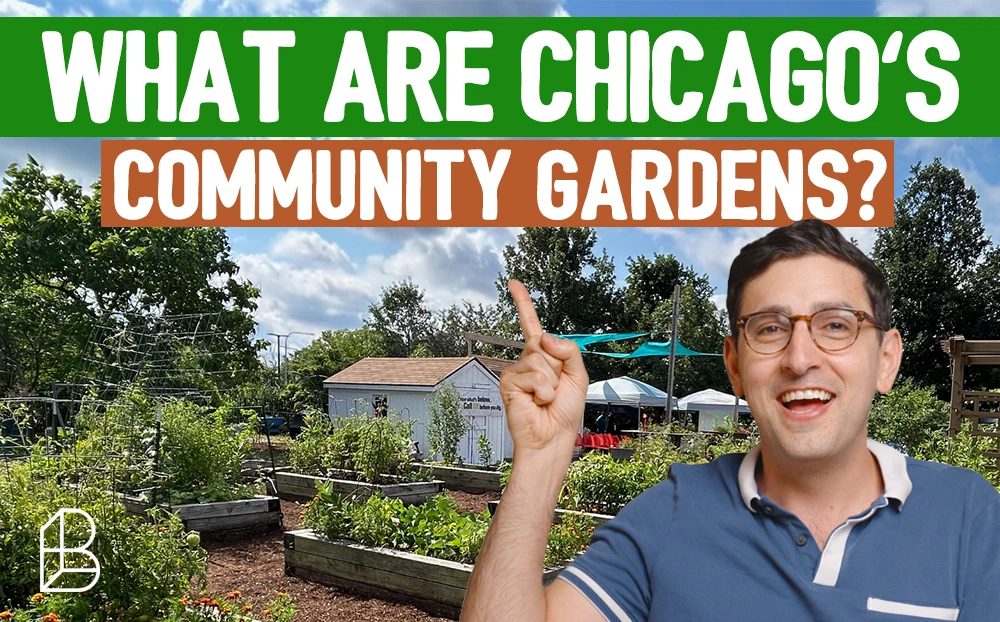
Hey Chicago garden lovers!
If you’ve got a green thumb, but you have no garden space to plant anything, this week’s article is for you.
Did you know that Chicago has somewhere between 800 and 900 active community gardens and urban farms across the city? Chicago Grows Food, the city’s home gardening collab, has distributed free growing kits to more than 13,000 households across 66 of Chicago’s 77 community areas.
The Chicago Park District manages garden plots at several parks that any Chicago resident can apply for. We put this guide together so you know what’s in your neighborhood and how to get into it.
Chicago’s official motto is Urbs in Horto, which is Latin for City in a Garden, and it’s been on the city seal since 1837. During World War II, more than 100,000 home and victory gardens went into yards, parks, and vacant lots across the city, while organized community plots produced over 55,000 pounds of food. The scale of community gardening in Chicago today has roots from that time period.
Before we get into the guide, we want to quickly introduce ourselves to first-time readers. We’re the Ben Lalez Team, and we’ve been helping people buy and sell homes across Chicago for over a decade. Every week, we write a general interest article or guide about the city.
This week, we’re talking about community gardens, and how to find one near you, how to get a plot, and how to start growing at home for free.
Are you ready? Let’s dive in.
Finding What’s Near You
The Chicago Urban Agriculture Mapping Project maintains a public map of growing sites across Chicago and Cook County, hosted through the Chicago Community Gardeners Association. On it, you can find community gardens, school gardens, and urban farms across most of the city’s 77 community areas.
Some neighborhoods have several gardens within a few blocks, including park-district plots, independently managed community gardens, and small nonprofit farms.
School gardens show up on the map, but usually don’t have community access. Most community gardens are managed by neighborhood residents who hold plots.
Coverage on the South and West Sides has historically been spottier than on the North Side, but new investment from the city’s Community Growers Program is changing that. A significant portion of new garden funding is going specifically to those neighborhoods, so the map in those areas reflects both what exists now and what’s being built.
Getting A Plot
The Chicago Park District manages community and demonstration gardens at several parks, and a number of them have individual allotment plots available through an application process.
The Community Roots Demonstration Garden at Skinner Park on the Near West Side is one of the more established spots. It runs nine allotment plots with a teaching garden, organic gardening workshops, and youth programming. Applicants can register through the Park District, and selected gardeners sign a liability waiver, pay a small annual fee, and commit to helping with shared maintenance alongside tending their own plot. Most of the outdoor plots run from roughly May through October.
A community garden plot is a lot different from a raised bed in a private yard. You’re gardening alongside other people and contributing to shared areas. Most people who get into it end up staying for years because of the social aspect.
Plot availability varies by location and typically fills before the outdoor season starts, so if you want a spot for the next growing season, check the Park District’s website early in the year.
** It’s likely too late for you to get anything this year, but now is a great opportunity to check out the spots you like for next year and see how they look. **
NeighborSpace is Chicago’s nonprofit urban land trust for community gardens, and it holds title to more than 100 garden sites across the city. By taking legal ownership of the land, NeighborSpace removes those sites from the threat of development.
Chicago isn’t immune to vacant lots being absorbed into development when market conditions change, so the land-trust model ensures these types of gardens remain permanent. Many NeighborSpace gardens host open volunteer days and seasonal events, and the CUAMP map shows you their sites.
Growing At Home
If you have a place to grow at home, Chicago Grows Food distributes free garden kits to households across the city through more than 150 partner sites, including schools, community centers, and mutual aid networks.
The kits cover seeds, soil, and basic growing supplies, and they’re free. The program reaches 66 of Chicago’s 77 community areas (check out their website for more information). If you’re in one of the covered areas, their site shows the nearest pickup location and which partners are currently active.
The program is built on the idea that a porch, balcony, or small yard is enough space to grow food with the right materials. Chicago Grows Food focuses on neighborhoods where residents want to grow but lack the upfront resources to get started. We think it’s a great initiative.
If you have native plantings in your yard or parkway, the city’s Native and Pollinator Garden Registry lets you register them. Registering lets the city know that you have an intentional native garden (not an unmaintained lot), which provides some protection against weed citations when native plants don’t match a conventional lawn.
Getting Involved Without A Plot
What if you aren’t able to secure a plot, but you want to get involved anyway?
Volunteer days, planting events, harvest festivals, and workshops run throughout the growing season at Park District sites, NeighborSpace gardens, and nonprofit farms across the city. Many events take place in April and May during the spring season. There are harvest festivals in late summer and fall with seed-saving and composting workshops.
Urban Growers Collective is a Black- and women-led nonprofit that operates multiple urban farms in Chicago. It has on-farm programming and events open to community members and volunteers, combines food production with job training and youth programs, and sells produce at local farmers markets.
Advocates for Urban Agriculture runs workshops and educational programming throughout the season, with a focus on working-class growers and residents on the South and West Sides.
Farm stands connected to the city’s Community Growers Program sell produce at some sites and at local markets through the season.
Notable Gardens To Check Out
Skinner Park’s Community Roots Demonstration Garden on the Near West Side is a good one to visit if you want to see how a well-run Park District garden works. Beyond the nine allotment plots, the teaching and demonstration section is open to visitors who want to see organic growing methods in practice. Their programming includes workshops for adults and activities for children throughout the season.
The Rainbow Beach Victory Garden on the South Side has grown into something broader than a growing space. Chicago Humanities has held events there on how neighborhood gardens function as social infrastructure, preserving cultural food traditions and creating gathering spaces for residents.
In East Garfield Park, eight city lots are being developed into a roughly one-third-acre space with a picking garden, fruit trees, a small stage, and natural play areas, all designed with resident input and backed by NeighborSpace. A companion project in South Chicago will convert parcels near the Calumet River into a garden with play structures, native plantings, and outdoor performance space. They reflect how Chicago is building community gardens right now: as neighborhood infrastructure that combines food production with gathering, arts, and play in the same space.
What Gardens Tell You About A Neighborhood
When we’re working with buyers, active community gardens are one of the things we point out. A well-maintained garden on a block is a good reflection of a neighborhood that’s cared for by its residents.
Research shows that active community gardens provide reliable access to food, greater social cohesion, and safer surrounding blocks.
A significant portion of new garden investment in Chicago is going to the South and West Sides, where the city’s Community Growers Program is funding long-term sites in neighborhoods that have historically had limited access to fresh produce.
This is turning into new green space, farm stands, and community programming in areas where we think they’ve been missing for a long time.
If you’re reading this article and you’re curious about community gardening, it’s important to find the right neighborhood that currently has the facilities, or one that is in development to have them.
We can help you out with this! Give our team a call, and we’ll be happy to share our insights and resources to help you find a neighborhood that fits your lifestyle.
Until next week, keep growing!